The Voice of Canada’s Value-Added Wood Manufacturers
Canadian-owned wood manufacturers, employing local workers, and reinvesting in our communities across the country.
Softwood Lumber Agreement
The Voice of Canada’s Value-Added Wood Manufacturers
Canadian-owned wood manufacturers, employing local workers, and reinvesting in our communities across the country.
Softwood Lumber Agreement

WHO ARE WE?
Prioritize advocacy and industry collaboration opportunities
Prioritize advocacy and industry collaboration opportunities
The Pan-Canadian Alliance represents small and medium-sized Canadian-owned wood manufacturers that the softwood lumber trade dispute has unfairly impacted. We come together across Canada to highlight the inequity affecting our industry and to advocate for our interests in negotiating a new Canada-U.S. agreement. Our businesses are entirely Canadian-owned, employ local workers, and reinvest in our communities.
This trade dispute shouldn't define us; however, since the expiration of the last softwood lumber agreement in 2015, our wood products have been subject to US softwood lumber duty. In the previous softwood lumber agreement, our companies only paid the duty on the input raw materials, which is known as the "First Mill” rate. Now our wood products are subject to the full ad valorem duty on the total value of the final product. When we sell our products and add value through secondary manufacturing, we pay the whole duty on the final selling price, which includes manufacturing costs, trim loss, and profit. The final price of our products is significantly higher than that of our US and International competitors, which reduces our market competitiveness. Our products continue to lose market share not only to competing wood products but to substitute products made from materials that impact our climate, such as plastics, concrete and steel.
We should not face export taxes or quotas. Our raw materials are not subsidized, and we are too small to “dump” our products in the US market. We acquire logs and lumber at “arm’s length” from various suppliers on the open market, just like members of the US Lumber Coalition do. As a smaller, value-added wood manufacturer with limited inventory, we cannot afford to sell below US market prices. However, we find ourselves entangled in this unfair trade dispute: our sole wrongdoing is hiring more Canadians to create higher-value, non-commodity wood products from every tree harvested.
The Pan-Canadian Alliance represents small and medium-sized Canadian-owned wood manufacturers that the softwood lumber trade dispute has unfairly impacted. We come together across Canada to highlight the inequity affecting our industry and to advocate for our interests in negotiating a new Canada-U.S. agreement. Our businesses are entirely Canadian-owned, employ local workers, and reinvest in our communities.
This trade dispute shouldn't define us; however, since the expiration of the last softwood lumber agreement in 2015, our wood products have been subject to US softwood lumber duty. In the previous softwood lumber agreement, our companies only paid the duty on the input raw materials, which is known as the "First Mill” rate. Now our wood products are subject to the full ad valorem duty on the total value of the final product. When we sell our products and add value through secondary manufacturing, we pay the whole duty on the final selling price, which includes manufacturing costs, trim loss, and profit. The final price of our products is significantly higher than that of our US and International competitors, which reduces our market competitiveness. Our products continue to lose market share not only to competing wood products but to substitute products made from materials that impact our climate, such as plastics, concrete and steel.
We should not face export taxes or quotas. Our raw materials are not subsidized, and we are too small to “dump” our products in the US market. We acquire logs and lumber at “arm’s length” from various suppliers on the open market, just like members of the US Lumber Coalition do. As a smaller, value-added wood manufacturer with limited inventory, we cannot afford to sell below US market prices. However, we find ourselves entangled in this unfair trade dispute: our sole wrongdoing is hiring more Canadians to create higher-value, non-commodity wood products from every tree harvested.

Creating More Value Out of Every Tree Harvested
Creating More Value Out of Every Tree Harvested

Fair Market Access Means a Bigger Market for North American Forest Products
Fair Market Access Means a Bigger Market for North American Forest Products
Fair Market Access Means a Bigger Market for North American Forest Products

Creating More Jobs for Every Cubic Metre of Wood Manufactured
Creating More Jobs for Every Cubic Metre of Wood Manufactured
Creating More Jobs for Every Cubic Metre of Wood Manufactured

Canadian Economic Growth Supports More Local Communities
Canadian Economic Growth Supports More Local Communities
Canadian Economic Growth Supports More Local Communities
WHAT WE STAND FOR
Building a Brighter Tomorrow
Building a Brighter Tomorrow
We want a negotiated solution that addresses unfair trade practices, renewable forestry, and rural economic development.
We want a negotiated solution that addresses unfair trade practices, renewable forestry, and rural economic development.
It is crucial for the future of Canada’s forest products manufacturing sector that members of the Pan-Canadian Alliance are represented at the negotiating table, as we are the innovative producers who can help break this impasse. The following elements should be included in any trade agreement to support all of Canada's forest sector:
1. Any discussion of a quota-based agreement must also recognize that non-tenured exporters of record must be allocated quota based on their shipment history since the last agreement expired. The quota must also be transferable between companies, with a focus on creating more opportunities for secondary manufacturers and new entrants to the manufacturing sector.
2. Any tariff or duty shall be paid on the “First Mill” input value of the lumber, similar to the terms of the last agreement.
3. Finally, any new agreement must not expand the scope of wood products: specifically, no new HS codes shall be added beyond the existing list of captured wood products, and no new species shall be included. Existing HS codes should be reviewed, and non-commodity wood products removed.
It is crucial for the future of Canada’s forest products manufacturing sector that members of the Pan-Canadian Alliance are represented at the negotiating table, as we are the innovative producers who can help break this impasse. The following elements should be included in any trade agreement to support all of Canada's forest sector:
1. Any discussion of a quota-based agreement must also recognize that non-tenured exporters of record must be allocated quota based on their shipment history since the last agreement expired. The quota must also be transferable between companies, with a focus on creating more opportunities for secondary manufacturers and new entrants to the manufacturing sector.
2. Any tariff or duty shall be paid on the “First Mill” input value of the lumber, similar to the terms of the last agreement.
3. Finally, any new agreement must not expand the scope of wood products: specifically, no new HS codes shall be added beyond the existing list of captured wood products, and no new species shall be included. Existing HS codes should be reviewed, and non-commodity wood products removed.
01
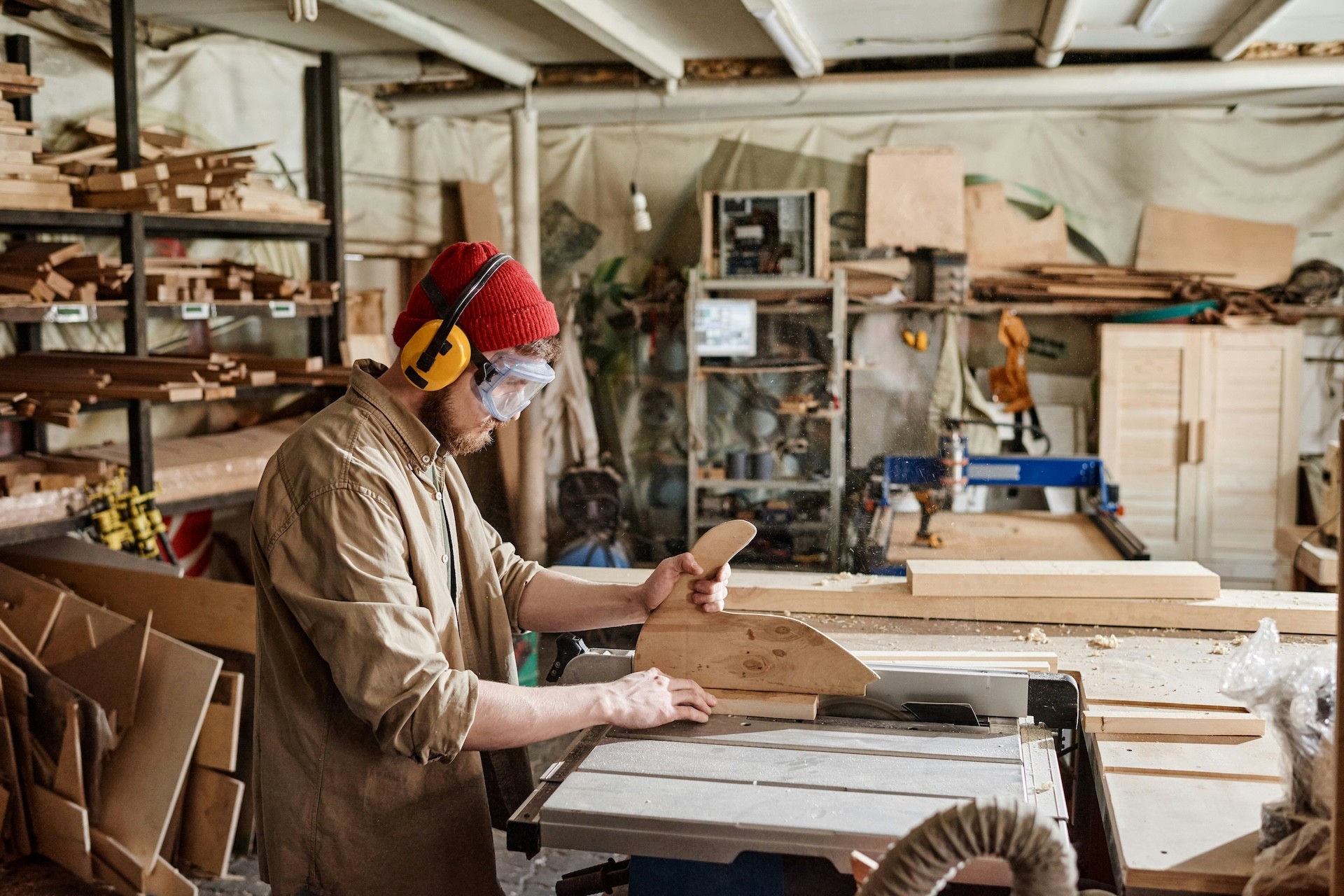
Protect Workers
01
Protect Workers
02
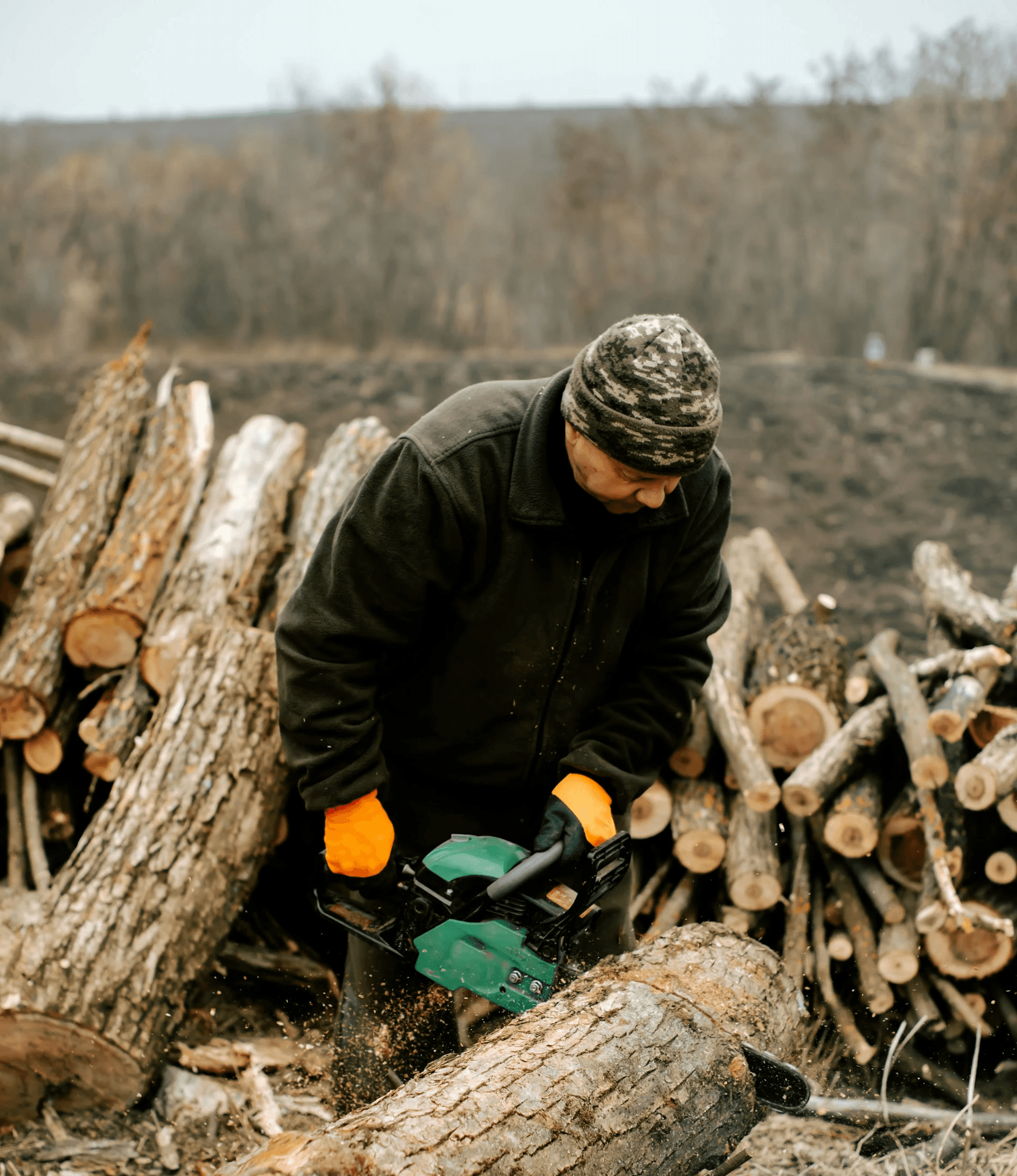
Protecting Local Canadian Communities
02
Protecting Local Canadian Communities
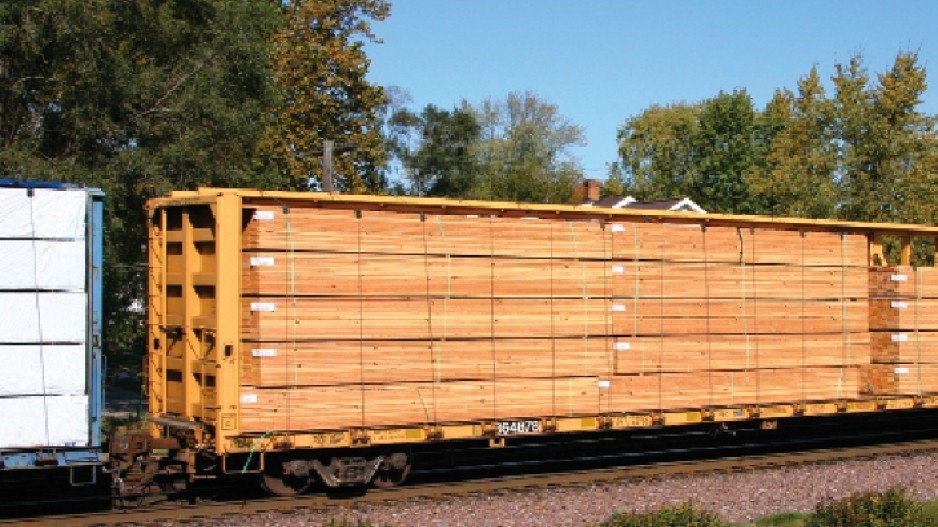
03
Fair Trade and Market Access
03
Fair Trade and Market Access
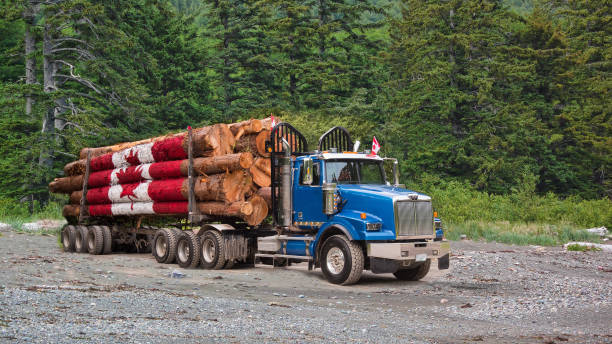
03
Fair Trade and Market Access
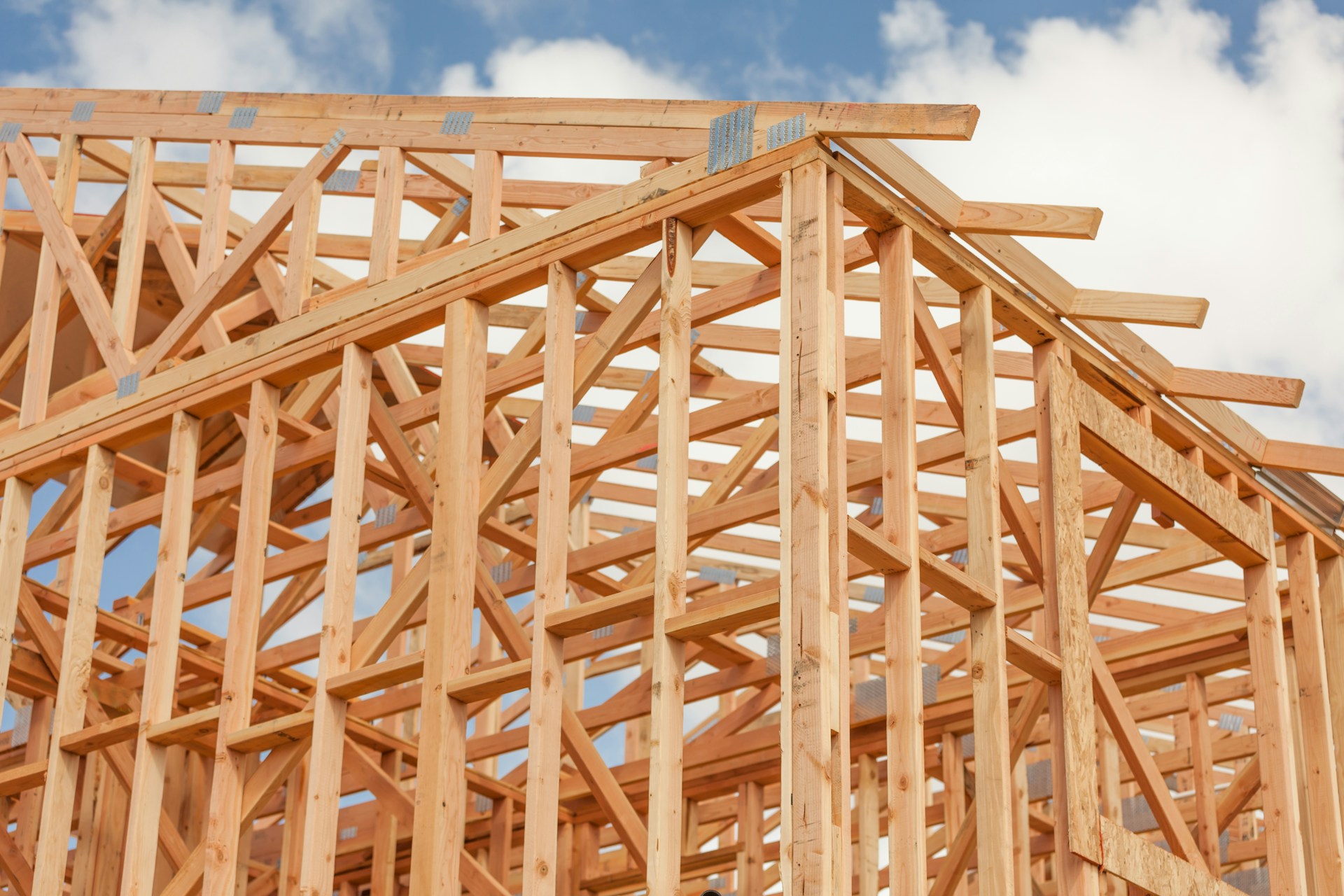
04
Affordable Housing for Canadian and American Consumers
04
Affordable Housing for Canadian and American Consumers
Events and Gatherings
News & Events
News & Events
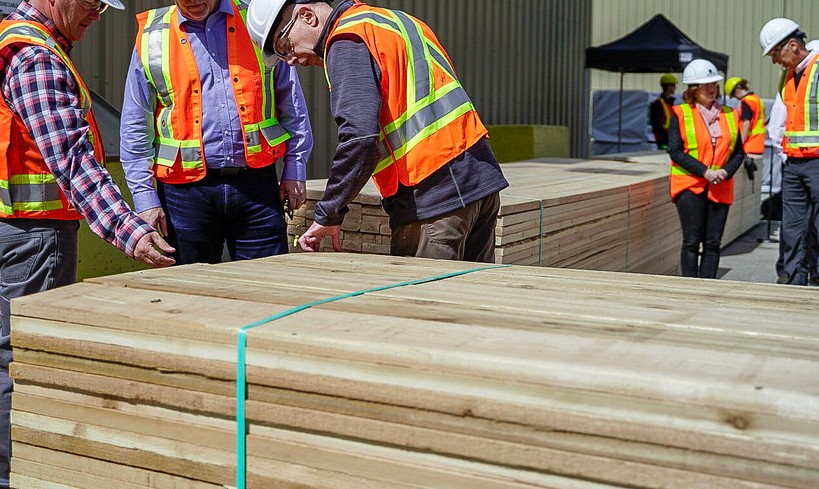
GUIDING PRINCIPLES
Commitment to Our Industry
Across Canada, these secondary or value-added manufacturers employ just over 92,000 people and generate nearly $20 billion in sales annually consisting of over 4,000 companies.
K
Canadian Forest Workers
%
Current US Tariff Rate
001
Worker Safety and Fair Employment
Prioritize workplace safety standards and fair wages to ensure every lumber industry worker has secure employment and can support their family
002
Support for Rural Communities
Commitment to policies that strengthen forest-dependent communities and protect the economic foundation that supports hundreds of Canadian towns.
003
Sustainable Forest Solutions
Addressing environmental challenges with solutions that ensure Canada's 347 million hectares of forest remain productive and sustainable for future generations.
GUIDING PRINCIPLES
Commitment to Our Industry
Across Canada, these secondary or value-added manufacturers employ just over 92,000 people and generate nearly $20 billion in sales annually consisting of over 4,000 companies.
K
Canadian Forest Workers
%
Current US Tariff Rate
001
Worker Safety and Fair Employment
Prioritize workplace safety standards and fair wages to ensure every lumber industry worker has secure employment and can support their family
002
Support for Rural Communities
Commitment to policies that strengthen forest-dependent communities and protect the economic foundation that supports hundreds of Canadian towns.
003
Sustainable Forest Solutions
Addressing environmental challenges with solutions that ensure Canada's 347 million hectares of forest remain productive and sustainable for future generations.
GUIDING PRINCIPLES
Commitment to Our Industry
Across Canada, these secondary or value-added manufacturers employ just over 92,000 people and generate nearly $20 billion in sales annually consisting of over 4,000 companies.
K
Canadian Forest Workers
%
Current US Tariff Rate
001
Worker Safety and Fair Employment
Prioritize workplace safety standards and fair wages to ensure every lumber industry worker has secure employment and can support their family
002
Support for Rural Communities
Commitment to policies that strengthen forest-dependent communities and protect the economic foundation that supports hundreds of Canadian towns.
003
Sustainable Forest Solutions
Addressing environmental challenges with solutions that ensure Canada's 347 million hectares of forest remain productive and sustainable for future generations.
GUIDING PRINCIPLES
Commitment to Our Industry
Across Canada, these secondary or value-added manufacturers employ just over 92,000 people and generate nearly $20 billion in sales annually consisting of over 4,000 companies.
K
Canadian Forest Workers
%
Current US Tariff Rate
001
Worker Safety and Fair Employment
Prioritize workplace safety standards and fair wages to ensure every lumber industry worker has secure employment and can support their family
002
Support for Rural Communities
Commitment to policies that strengthen forest-dependent communities and protect the economic foundation that supports hundreds of Canadian towns.
003
Sustainable Forest Solutions
Addressing environmental challenges with solutions that ensure Canada's 347 million hectares of forest remain productive and sustainable for future generations.
SNAPSHOT PROGRESS
Our Journey in Recent Events
Our Journey in Recent Events

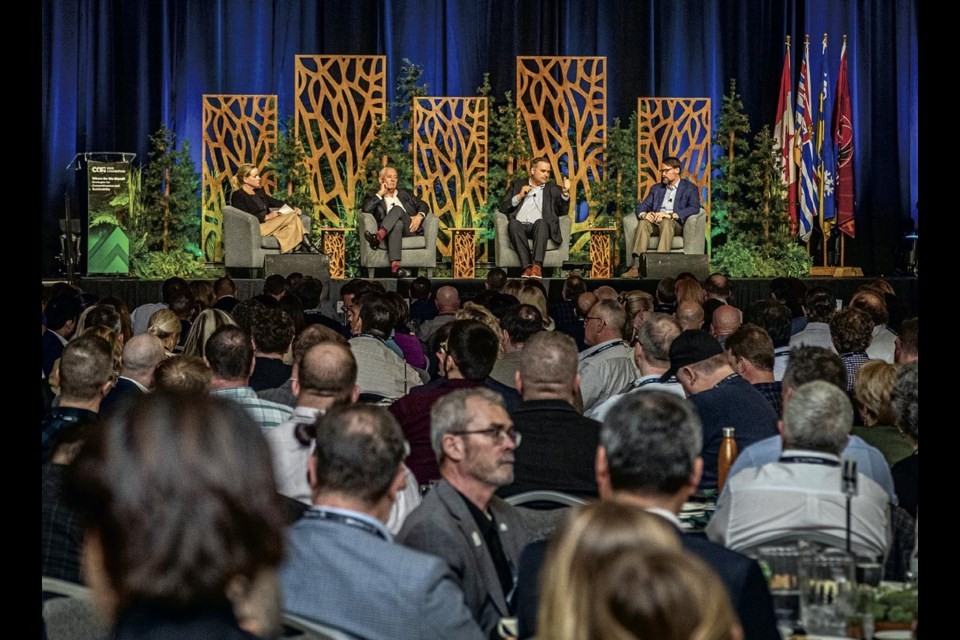
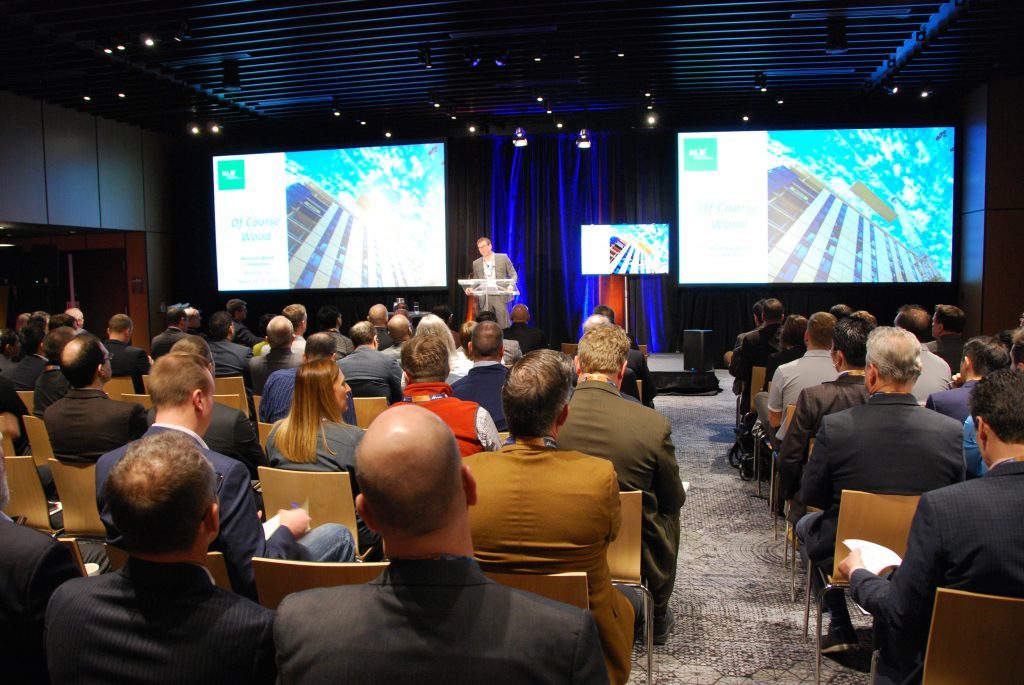
IN THE NEWS
Recent News & Announcements
Recent News & Announcements
Building a Stronger Industry Together
Stay informed, advocate with purpose, and help protect Canada's value-added wood industry. Our coalition brings together producers, workers, and communities to defend fair trade that supports an innovative wood manufacturing sector.
Stay Connected as a Member
Building a Stronger Industry Together
Stay informed, advocate with purpose, and help protect Canada's value-added wood industry. Our coalition brings together producers, workers, and communities to defend fair trade that supports an innovative wood manufacturing sector.
Stay Connected as a Member
Building a Stronger Industry Together
Stay informed, advocate with purpose, and help protect Canada's value-added wood industry. Our coalition brings together producers, workers, and communities to defend fair trade that supports an innovative wood manufacturing sector.
Stay Connected as a Member
Building a Stronger Industry Together
Stay informed, advocate with purpose, and help protect Canada's value-added wood industry. Our coalition brings together producers, workers, and communities to defend fair trade that supports an innovative wood manufacturing sector.
Stay Connected as a Member